

 See My Latest Article on HelloNation
What Is a Payment Transaction?
A payment transaction is the process that occurs when money moves from one person or entity to another to complete a purchase. In Manchester, NH, this can involve a debit card at a grocery store, an online payment for an event ticket, or even sending funds through a mobile app for local dining. The basic steps stay consistent whether the payment is made in-person, online, or through a device.
Behind every payment, a set of electronic messages securely transfer information between banks and payment networks. This ensures the right amount of money reaches the correct recipient.
How Does the Payment Process Start?
A payment begins the moment a customer offers a card, payment app, or other method to pay. For area residents, this might happen at a supermarket checkout, a food truck at a community festival, or while paying for utilities online.
The process starts with:
- Entering payment details (like swiping a card or tapping a phone).
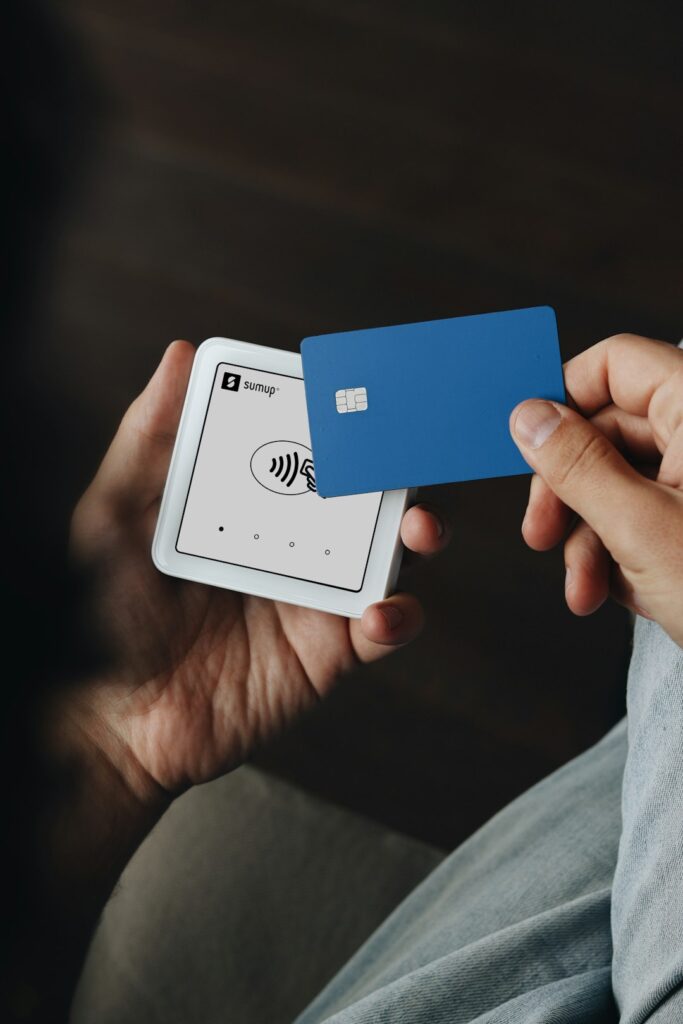
- The payment device, such as a card terminal, reads the payment information.
- This information is prepared for secure transmission to the bank or payment processor.
Misconceptions are common here; some people believe their payment details are sent directly to the merchant’s personal bank, but in reality, payments almost always pass through several layers for security and authorization.
What Happens After Payment Information Is Entered?
Once payment details are entered, the information is encrypted and sent along a secure connection. This involves:
- The merchant’s payment system sending a request to its processor (a technology provider that helps handle payments).
- The processor forwarding that request to the customer’s card network (like Visa or Mastercard).
- The network routing the transaction to the buyer’s bank for approval.
Each step is nearly instantaneous, usually taking just a few seconds. Residents may notice a brief “processing” pause—the transaction is being reviewed for fraud, checked for available funds, and validated.
How Is the Payment Approved or Declined?
The buyer’s bank determines whether to approve or decline the purchase. This decision relies on:
- Sufficient funds or credit in the buyer’s account.
- Accurate card information (no mistyped PINs or expired cards).
- Security checks, such as fraud monitoring.
- Special circumstances, such as flagged locations or unusual spending patterns, which may slow approval.
For Manchester-area shoppers, this step is automatic and invisible. If a card is declined, it could be for reasons such as low balances, incorrect information, a block for suspected fraud, or a temporary network issue.
What Is Settlement and When Does Money Actually Move?
Settlement is the stage where the money is actually transferred from the buyer’s bank to the merchant’s bank. In local businesses, settlement typically happens overnight, not instantly at checkout.
- The payment network gathers all approved transactions for the day.
- Overnight, banks exchange funds based on those transactions (“settlement”).
- The merchant eventually sees the funds appear in their business account—this might happen the next business day or take a little longer, depending on the payment method.
A common misconception is that a business receives funds right away when you complete a transaction. In practice, it’s normal for there to be a short delay.

What Security Measures Protect Payment Transactions?
Securing electronic payments is especially important for any resident who shops online or uses digital wallets. Protections include:
- Encryption, which scrambles information during transfer.
- Tokenization, where actual card numbers are replaced by unique digital “tokens.”
- Multi-step authentication for higher-risk transactions, such as entering a code sent by text.
- Fraud monitoring carried out by banks and payment networks.
Local consumers can reduce risk by monitoring account activity, using secure internet connections, and being cautious with unfamiliar devices or websites.
What Happens If Something Goes Wrong?
Occasionally, payments can go awry: cards may be declined, double charges might appear, or an item paid for doesn’t get delivered. In these cases:
- The buyer’s bank or card issuer is the first contact for unauthorized transactions or errors.
- Merchants can usually reverse mistaken charges, but the bank or processor handles the formal refund.
- Disputes follow specific timelines set by national regulations, which protect both buyers and sellers.
Residents are protected by federal laws if their cards are lost or stolen, as long as issues are reported promptly.
Does the Payment Process Differ for Local, In-Person Purchases?
Transactions at small neighborhood stores, farmers’ markets, or local events typically use the same underlying steps, though the technology may vary:
- Some use mobile card readers or point-of-sale tablets.
- Others prefer contactless payments or digital wallets for added convenience.
No matter the method, the transaction securely travels through the same network of banks and card providers. Whether buying maple syrup at a market or groceries from a corner store, the process remains largely the same: fast, secure, and built to protect customers and merchants alike.