

 See My Latest Article on HelloNation
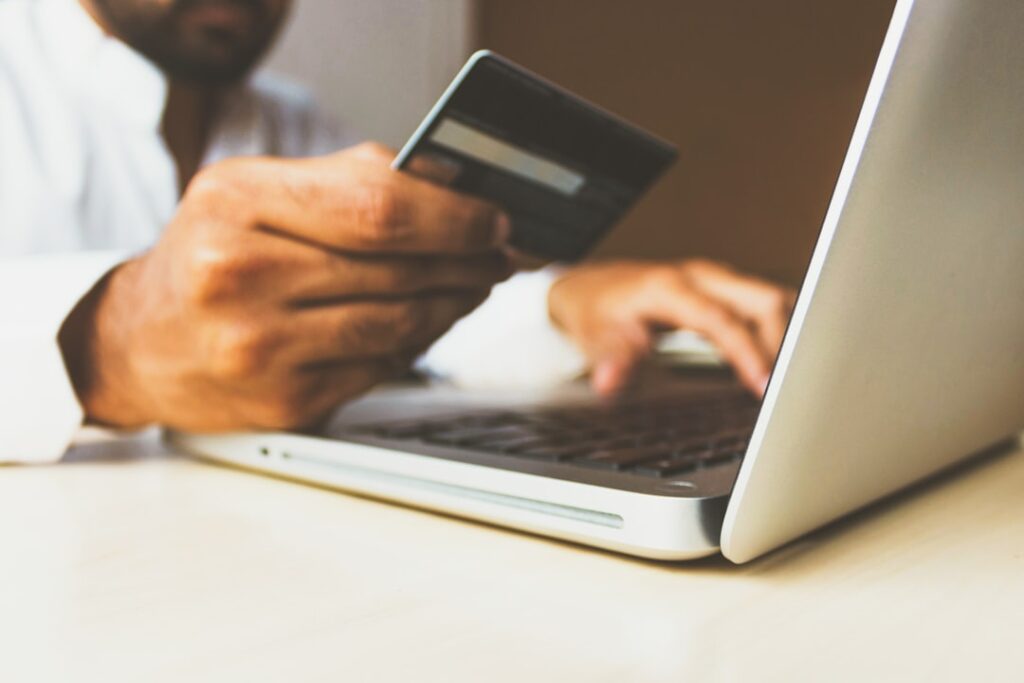
What Are the Basic Steps to Start Accepting Online Payments?
To start accepting payments online, small business owners generally need to set up a way to collect funds from customers over the internet. The process involves selecting a payment processing solution, connecting it to a business bank account, ensuring website security, and meeting any local or state regulations.
Most small businesses in Manchester begin by:
- Creating a secure website or using an online storefront platform
- Choosing a payment processor or gateway to handle transactions
- Setting up a business bank account to receive funds
For those just starting out, some platforms offer “out of the box” solutions with step-by-step onboarding, which can be useful if technology is unfamiliar. Local businesses that already process in-person payments may be able to add an online payments feature through their existing provider. Just be sure to review any fees or rules involved.
Which Payment Methods Should Small Businesses Offer?
Offering a variety of payment options makes it easier for customers to pay and can help improve sales success, including for residents accustomed to flexible payment choices.
Common online payment types include:
- Credit and debit cards (Visa, Mastercard, etc.)
- Electronic wallets (such as Apple Pay or Google Pay)
- Automated bank transfers (ACH)
- Buy-now-pay-later options
Among area households, credit/debit cards remain the most reliable foundation. Adding at least one electronic wallet can also serve younger customers and remote workers in the city. If serving older customers or businesses, consider supporting direct bank transfers.
How Do Payment Processors and Gateways Work?
A payment processor moves funds between a customer and your business bank account after verifying transaction details. A payment gateway is a secure online system that authorizes payments made through your website or app.
Some providers combine both functions so that businesses can set up online payments in one package, while others require connecting different services. When choosing a solution, check for:
- Compatibility with your website or sales platform
- Supported payment types
- Security features (such as encryption)
- Transparent fee structures
Local regulations don’t typically restrict which processor a business uses, but always ensure the product meets industry security standards.
What Website Tools Are Needed for Online Payments?
A secure website or online ordering page is essential for accepting payments digitally. Most small business sites in the city use one of the following options:
- E-commerce website builders (with built-in payment solutions)
- Embedded payment forms on an existing site
- Invoicing tools that generate secure payment links for customers
For businesses without a full e-commerce store, an invoicing tool can be a practical way to email or text a link so customers can pay online. Check that your website uses HTTPS so customer information stays secure.
How Can a Business Make Online Payments Secure and Trustworthy?
Online security is extremely important when handling personal and financial data.
Steps to build trust with local residents shopping online include:
- Using only reputable payment processors that offer data encryption
- Ensuring your website displays security certificates (the padlock symbol in browsers)
- Keeping any website software updated to patch vulnerabilities
- Clearly describing privacy policies so customers know how information is used
Any business processing credit card information must comply with Payment Card Industry Data Security Standard (PCI DSS) requirements. Even if using a plug-and-play solution, review whether you must complete a short compliance questionnaire each year.
What Fees and Financial Considerations Should Be Expected?
Online payment processing usually involves several types of fees:
- Transaction fees — charged per payment, often a small percentage plus a fixed amount
- Monthly service fees — sometimes charged for use of certain payment platforms
- Chargeback or refund fees — if a customer disputes a payment

Local businesses should carefully review terms before committing, as small differences in fees can affect profits, especially for lower-cost items or frequent transactions.
It’s helpful to factor these costs into pricing or to establish a minimum purchase amount if margins are tight.
Can Small Businesses Accept Payments Without a Website?
It’s possible to accept digital payments without a full website. Common alternatives include:
- Sending electronic invoices with clickable payment links
- Using point-of-sale solutions with payment links for remote or curbside transactions
- Accepting payments through social media tools that offer secure checkout features
These options can suit Manchester businesses just starting out or those with a primarily local customer base.
Are There Any Local or State Rules to Consider?
New Hampshire state law requires that businesses comply with basic tax collection and consumer protection standards. Registering with the state and obtaining any relevant business licenses is required if selling taxable items.
There are no local restrictions limiting which payment systems can be used, but businesses must accurately record and report all sales made online. Some products or services—such as those requiring age verification—may have added rules for online transactions.
What Should Businesses Know About Customer Support and Handling Disputes?
Even with reliable payment systems, occasional issues will arise, such as mistaken charges, payment errors, or refund requests.
Some best practices for handling these situations include:
- Responding promptly to customer questions or concerns
- Keeping clear records of all transactions and communications
- Having a consistent refund or return policy in place and posted on your site
If a dispute cannot be resolved privately, small businesses can refer to state consumer protection resources or file in small claims court if needed.
What Are Examples of Overlooked Details When Accepting Online Payments?
Some factors that are often missed but important for local business owners:
- Double-check that payment pages work on mobile phones, since many area residents shop from smartphones or tablets
- Confirm that your bank account is set up for business use, not personal use
- Test the customer experience with a sample transaction to catch errors before launching live payments
Taking time to ensure these details are addressed can help build trust and reduce headaches for both the business and its customers.