

 See My Latest Article on HelloNation
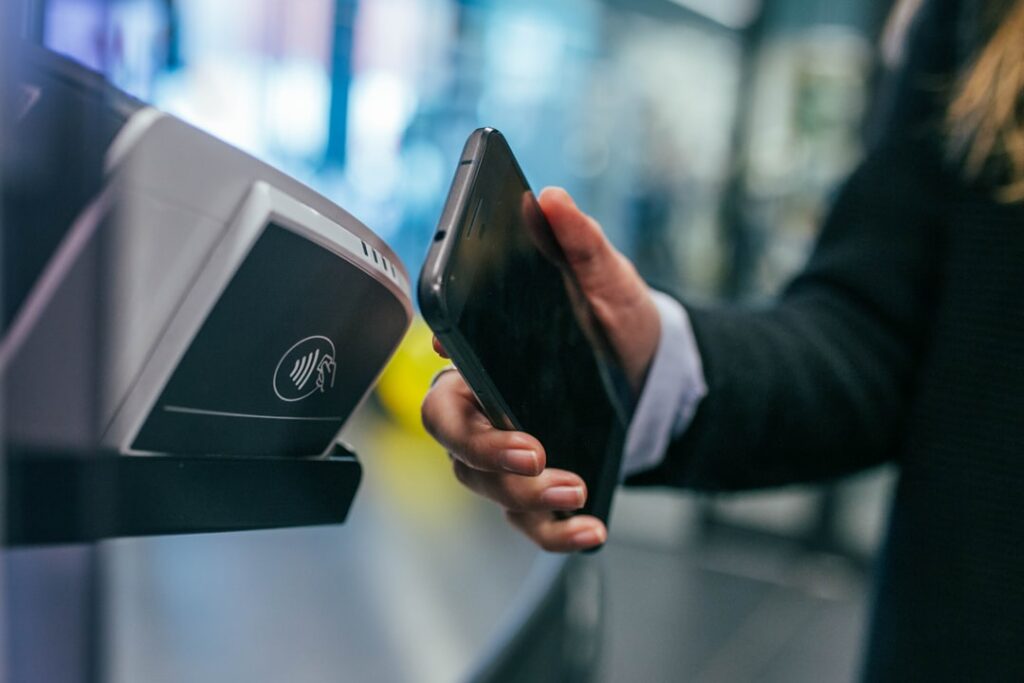
What’s the Real Difference Between Payment Gateways and Payment Processors?
Payment gateways and payment processors both help move money from a customer to a business after a sale—yet they play distinct roles. Residents in Manchester, NH often ask about these terms, especially when dealing with local retail shops, small businesses, or services that accept card payments.
Essentially, a payment gateway is the technology that captures and encrypts payment details, while a payment processor is the system that moves funds between bank accounts. In practical terms: the gateway manages what happens at the checkout screen or credit card reader; the processor handles what happens behind the scenes to complete the transaction.
How Does a Payment Gateway Work in Daily Transactions?
A payment gateway acts as the digital or physical “front door” for card payments—making sure card details are securely collected, safely transmitted, and processed without exposing sensitive information.
- In-person transactions: Card machines at local shops or countertop terminals in area cafés use a gateway to capture chip, tap, or swipe details.
- Online sales: Manchester businesses with ecommerce websites depend on gateways to securely transfer payment information from customer browsers to the bank.
The gateway encrypts sensitive card numbers so they can’t be intercepted, and checks for obvious errors (like missing digits) before passing the information along.
What Does the Payment Processor Actually Do?
A payment processor is the “messenger” that connects banks, card issuers, and business accounts to transfer funds and confirm transactions.
- When a card payment is made, the processor communicates between the customer’s bank and the business’s bank.
- The processor checks whether the cardholder actually has funds, flags suspicious activity, and issues an approval or decline.
- Once approved, the processor settles (moves) the funds into the business’s account, often within a couple of business days.
Most shoppers and some local business owners in Manchester never directly interact with a payment processor—it operates entirely in the background.
Can a Business Have One Without the Other?
In almost all modern transactions, payment gateways and processors must work together, though sometimes the roles are bundled within the same provider.
For instance:
- Shops that sell online need a gateway for secure website checkout, plus a processor to complete funds movement.
- Brick-and-mortar businesses using modern terminals also use a gateway at the checkout step, with processing handled by a separate system.
Occasionally, some systems combine both roles, but for transparency and security, the division is usually present—especially as fraud prevention and privacy requirements grow stricter in the area.
Why Do Local Businesses and Consumers Need to Understand This Difference?
Understanding who handles what information can help protect personal data and clarify where to seek help when issues arise.
- Consumers: Knowing which part of the payment process collects card information versus actually moves money helps in case a card is compromised or a payment fails.
- Businesses: Choosing the right combination of gateway and processor can affect transaction fees, payout speed, and compliance with local regulations.
Especially for those running small seasonal businesses, farm stands, or participating in pop-up markets around the city, understanding these systems can improve trust with local customers and reduce disputes.
What Common Myths Confuse Most People?

People sometimes use “gateway” and “processor” interchangeably, or assume they describe the same service. Here’s what commonly gets mixed up:
- Myth: “A gateway handles all aspects of payment.”
Fact: The gateway secures and submits data; it’s the processor that moves the money.
- Myth: “You only need one or the other.”
Fact: Both are needed—one for collecting information, and one for banking logistics.
- Myth: “Problems with checkout failures mean processor issues.”
Fact: Many issues (like failed online checkouts) may stem from the gateway step, not the processor.
What Should Residents Consider When Encountering Payment Issues at Local Businesses?
If a payment fails locally—whether at a neighborhood shop or during an online purchase—pinpointing whether the problem occurred at the gateway (data entry, security verification, browser errors) or processor (bank declined, fraud alert) is useful.
- For repeated declines with different cards, the processor or underlying bank may be flagging transactions.
- If card numbers never even reach submission due to page errors or device glitches, it’s often a gateway-related issue.
Understanding these details can help area residents resolve payment disputes or support local businesses in troubleshooting common checkout problems without unnecessary frustration.
Why Does Clarity on These Terms Matter for the Manchester Community?
Whether buying from farmers’ markets, supporting local fundraisers, or shopping online, knowing how payment gateways and processors interact empowers both residents and business owners to keep transactions secure and efficient.
It also lays the groundwork for understanding future changes, such as new payment methods, changing security regulations, or evolving technology that may roll out across the city’s retail landscape—as payments technology keeps evolving to fit the community’s needs and habits.