

 See My Latest Article on HelloNation
What Is a Merchant Account and How Does It Work?
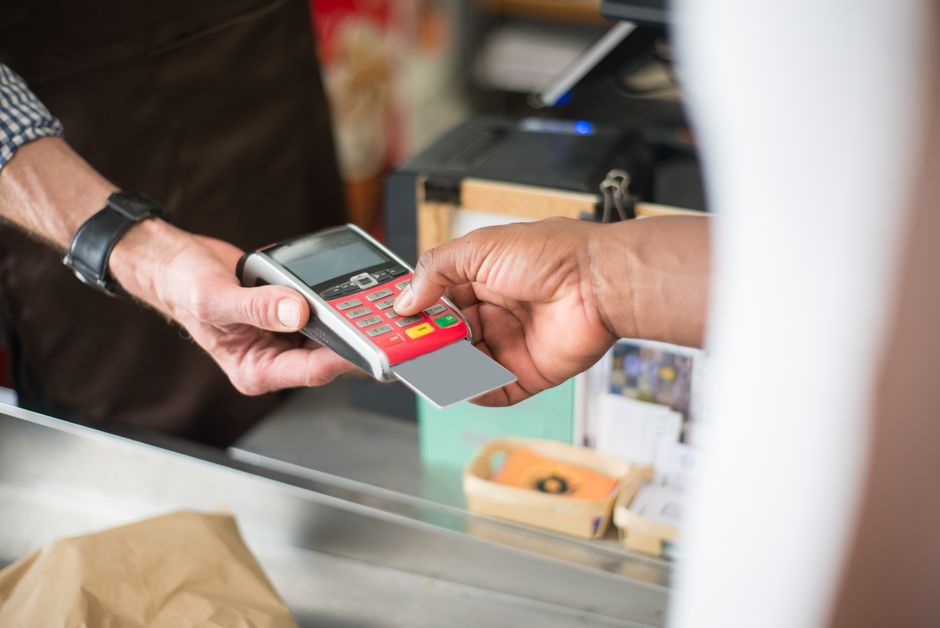
A merchant account is a special type of bank account that allows businesses to accept payments made by credit or debit card. When a customer makes a card payment—whether in a shop, at a restaurant, or online—the money doesn’t go straight into the business’s regular account. First, it passes through this merchant account to process, verify, and clear the transaction. Afterward, funds are typically transferred into the business’s main bank account.
Locally, businesses ranging from small cafes to family-owned auto shops rely on merchant accounts whenever customers expect non-cash payment options. This process is nearly invisible to the customer, but it’s essential for any operation that wants to keep up with modern payment habits.
Why Don’t Businesses Use Regular Bank Accounts for Card Payments?
Regular business bank accounts aren’t designed to process card transactions from payment networks like Visa, Mastercard, or American Express. These networks have strict requirements for security, fraud prevention, and payment processing that standard accounts simply can’t meet.
Without a merchant account, a business is limited to cash, checks, or direct transfers. For area households accustomed to paying by card—especially during peak seasons for eating out, shopping, or local events—limiting payment options can mean missed sales and unhappy customers.
What Kinds of Businesses in Manchester Benefit Most From Merchant Accounts?
Nearly any business that has walk-in customers, takes phone orders, or sells online can benefit from a merchant account, including:
- Retail shops, restaurants, and service providers who see a high volume of card payments
- Seasonal event vendors and market stands who want to offer the same convenience as larger stores
- Home-based businesses or side gigs selling online or at local events
Even organizations like community centers or recreation programs sometimes utilize merchant accounts to make registration and ticketing easier for local residents.
Are Merchant Accounts Only for Large Businesses?
Merchant accounts are used by both new ventures and long-established businesses. Local startups, pop-up shops, food trucks, and part-time sellers often set up simple merchant solutions when launching. The flexibility to scale up or down to handle busy holiday seasons, local festivals, or summer tourism makes them especially practical for Manchester’s business environment.
It’s a misconception that only large retailers use merchant accounts—many small operations rely on them to provide reliable service to area customers.
What Are the Practical Benefits for Local Residents and Businesses?
A merchant account brings several practical advantages:
- Accepting cards makes shopping and bill payment faster and more convenient for customers, which increases the likelihood of repeat business.
- Electronic payments reduce the risks of handling cash, such as theft or mistakes during counting.
- Funds from card transactions are deposited directly, minimizing the need for daily cash deposits at local banks—helpful during Manchester’s winter months when getting around can be more challenging.
- Merchant accounts come with fraud protection protocols that help both the business and the customer if something goes wrong.
- Digital payment records make it easier for business owners to reconcile daily sales and manage tax reporting.
Is It Safe for Local Businesses to Rely on Merchant Accounts?
Merchant accounts are subject to security requirements that protect both businesses and customers. Encryption, card network compliance standards (called PCI DSS), and fraud monitoring are built into merchant services.
Most disputes—such as accidental charges or suspected fraud—are handled through established procedures, so both parties have some recourse. While no system is 100% free from risk, merchant accounts generally provide more security than handling large volumes of cash or paper checks in the city.
What Should Local Businesses Expect When Setting Up a Merchant Account?
Setting up a merchant account typically involves:
- Verification of business credentials and local registration details
- An application process that may review financial health and risk level
- Choosing hardware or software for in-person, phone, or online payments
Some businesses might also discuss integrating point-of-sale systems or mobile payment readers for registers, seasonal kiosks, or community events. Receiving deposits for sales is usually automated once the system is up and running.
Common Misconceptions About Merchant Accounts
Many residents assume digital payments are instant, but it can take a day or more for funds to transfer from a card payment through the merchant account to the business’s main bank account. This process protects against errors and fraud.
Another misconception is that card acceptance is too expensive for smaller businesses. While fees exist, competition and innovation have made accepting cards accessible for operations of all sizes, including those serving just a few customers a day or week.
How Merchant Accounts Shape Local Commerce
By enabling card payments, merchant accounts play a quiet but crucial role in keeping transactions flowing smoothly across the community. They help even the smallest businesses participate in local commerce, support more inclusive access for customers without cash, and contribute to the resilience of the city’s economy—particularly in a region where weather and seasonal events shape everyday habits.