

 See My Latest Article on HelloNation
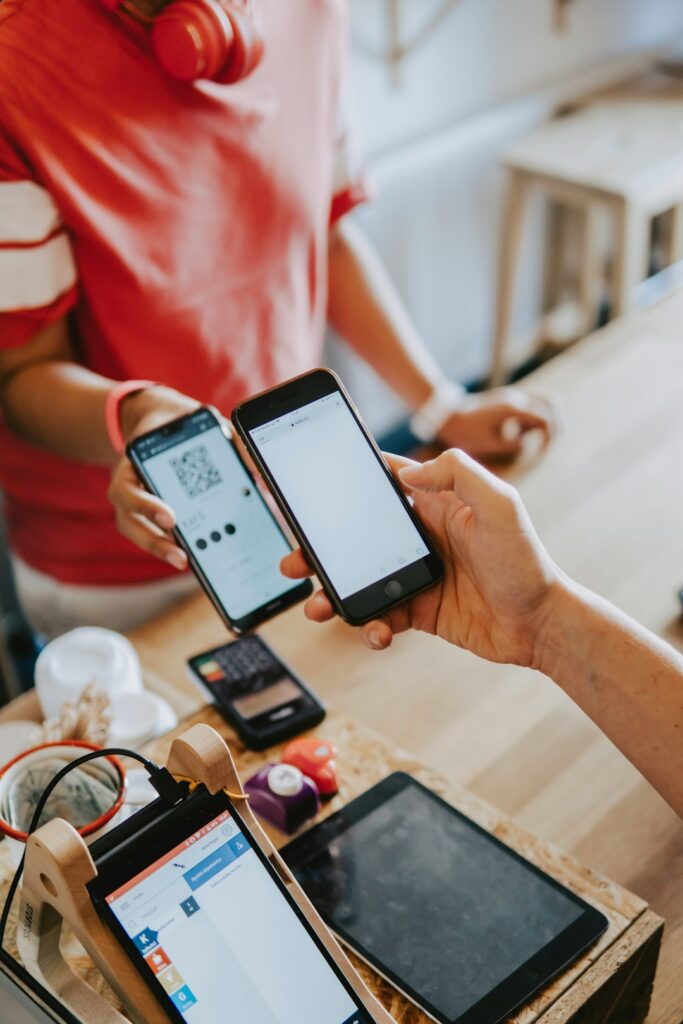
What Are Contactless Payments?
Contactless payments use wireless technology to allow purchases by tapping a card, phone, or wearable device near a payment terminal, instead of swiping or inserting a card. These systems rely on RFID (Radio Frequency Identification) or NFC (Near-Field Communication) to process payments instantly and securely. For many Manchester, NH households, contactless transactions offer a convenient alternative to traditional payment methods, reducing time spent at checkout and minimizing physical contact.
How Do Contactless Payments Work?
After confirming the transaction amount at checkouts or kiosks, a user taps their enabled card or device over a compatible terminal. The card or phone then communicates with the reader via encrypted signals, authorizing the payment within seconds. No signature or PIN is typically required for smaller transactions, but large purchases may still require verification for security.
Common contactless payment methods include:
- Bank-issued credit and debit cards with a wave symbol
- Smartphones equipped with digital wallets
- Smartwatches or fitness trackers enabled for payments
Are Contactless Payments Safe?
Yes, contactless payments are designed with security in mind. Each tap generates a unique transaction code, making it difficult for fraudsters to reuse intercepted data. Unlike a traditional magnetic stripe, your full card number is not shared with the merchant.
While all forms of electronic payments have risk, contactless systems are generally viewed as secure. For additional safety:
- Always review your bank statements for unfamiliar charges
- Use phone wallet features such as app lock or fingerprint authentication
- Report lost or stolen payment cards or devices immediately to your bank
Many area residents find these measures help protect against unauthorized transactions and ease concerns about potential misuse.
Where Can Residents Use Contactless Payments Locally?
Most major retail stores, grocery outlets, pharmacies, and gas stations in Manchester have upgraded to accept contactless payment methods. Public transportation ticket counters, local farmers markets, and some parking meters may also offer compatible terminals. Look for the wave or “tap” symbol at checkouts. While smaller businesses and service providers may move at different paces, acceptance is steadily increasing throughout the city each year.
Do Contactless Payments Work in All Weather?
Contactless payments remain reliable through seasonal changes, including the cold winters and humid summers common in Manchester. Digital wallets and cards function well even when handled with gloves—touchscreens on phones may require removing gloves, but cards do not.
Harsh weather conditions, such as snow or rain, may affect a terminal’s exterior if not well protected, but the technology itself does not rely on temperature or humidity. That means area residents heading indoors from icy sidewalks or hot vehicles can generally expect smooth transactions, especially inside climate-controlled stores.
Can Contactless Payment Technology Replace Cash in Daily Life?
For many city households, contactless payments supplement but do not entirely replace the need for cash, especially at older vending machines or during temporary system outages. Local charity events, yard sales, or small neighborhood gatherings may still prefer cash for ease.
However, schools, doctors’ offices, and city services are increasingly adopting options that support digital payments. Residents may wish to keep a small amount of cash for emergencies while taking advantage of contactless payments for most routine purchases.
What If a Payment Doesn’t Go Through?
Occasional declines or transaction failures do happen, sometimes due to signal issues, daily limits, card expiration, or terminal malfunctions. If a tap doesn’t register:
- Check that your card or device is enabled and activated for contactless use
- Hold the card/device closer to the terminal or repeat the tap
- Try another payment method in case of continued issues
- Ask to process the payment as a regular chip or swipe if needed

Transaction failures rarely signal a security breach but can be inconvenient, especially during busy hours or at crowded events in the city. Carrying a backup payment method can help avoid unexpected disruption.
What Should Residents Know About Privacy?
Privacy is a frequent concern for those new to contactless payment systems. While these methods don’t transmit your name or full card details in the clear, banks and merchants still record transaction data. Using a phone-based wallet may give added control over how payment information is shared, and enables features to erase information remotely if your device is lost.
Residents worried about digital tracking can review privacy settings on their cards and devices. Disabling location permissions and limiting app access to transaction histories are simple steps to increase privacy.
Common Myths and Misconceptions
Some myths persist regarding contactless cards, particularly around “drive-by” theft or unauthorized scanning. In practice, such incidents are rare because:
- The range for valid contactless transactions is extremely short—typically only a few centimeters
- Transactions need real-time approval and encryption, making casual interception very unlikely
- Most cards limit the value and frequency of tap payments before further verification is required
Residents can further protect themselves by using card sleeves that block signals, if desired, though most find this unnecessary for daily activities around the community.
How Do Residents Get Started?
Most banks actively issue contactless cards by default. If you’re unsure whether your card or device is enabled, look for the contactless symbol, check your bank’s website, or inquire directly at a local branch or through secure online channels.
Remember that adopting new payment methods is optional. The community includes residents comfortable using traditional payments, and there is no penalty for opting out of contactless systems. Trying out contactless payments for smaller purchases or in familiar settings—such as grocery stores or pharmacies—offers a chance to see how the process fits your routine.