

 See My Latest Article on HelloNation
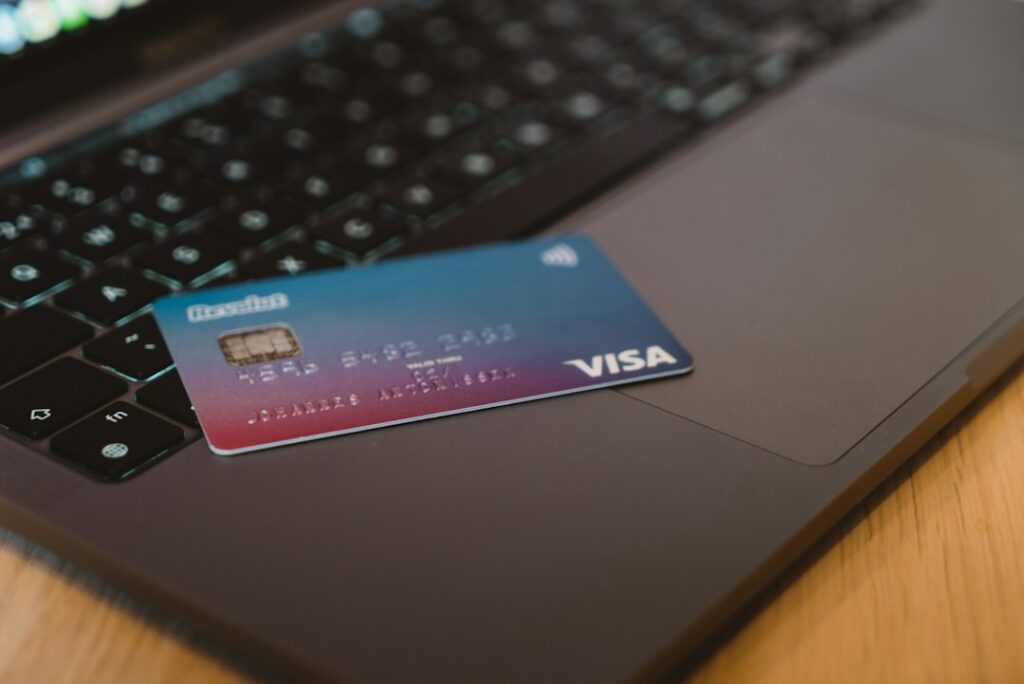
What Are Payment Processors and Why Do They Matter?
A payment processor is the company or technology that manages electronic transactions between customers and businesses, such as debit and credit card payments. Reliable processing is essential for area businesses, home-based ventures, and fundraising events alike—inconsistent transactions can lead to confusion, missed revenue, or even legal complications.
In Manchester, residents often encounter payment processors in a variety of settings: from local shops to seasonal markets and community events. The right choice helps ensure quick, secure transactions, regardless of whether you’re accepting payments in-person or online.
How Do Local Needs Affect Payment Processor Choice?
Local context in Manchester affects what residents might need from a payment processor. Cold winters, high foot traffic downtown, and a mix of year-round and seasonal events can all shape local preferences for payment methods.
For example:
- Outdoor or mobile sales, such as market stalls, may need wireless card readers that function reliably in winter or during spotty connections.
- Many local consumers expect to pay with chip cards or contactless options, while visitors might want digital wallets like Apple Pay.
- Nonprofits running fundraising events often benefit from processors that can handle both online and limited in-person donations.
Understanding these patterns can help you choose a service that fits your daily routine and reduces frustration for both you and your customers.
What Should Residents Ask Before Choosing a Payment Processor?
Start by identifying your main priorities. Consider asking these questions, starting with the top concern:
1. How will I be accepting payments?
- In-person (card reader, mobile device)
- Online (website, invoices)
- Over the phone
2. What are my expected transaction volumes?
- Occasional payments (garage sales, events)
- Regular business or side hustle activity
Reviewing your needs beforehand streamlines your search and avoids contracts for features you won’t use.
What Fees Do Processors Charge and How Can Manchester Households Predict Costs?
Payment processor fees vary but typically include some combination of the following:
- A per-transaction fee (e.g., 2.6% + 10¢ per swipe/tap)
- Monthly account fees
- Equipment costs for card readers or terminals
- Occasional extra charges for chargebacks, refunds, or disputed transactions
Local residents sometimes overlook “incidental fees” that only appear for specific transactions, such as keying in numbers manually during power outages—a consideration during winter storms. Make sure to read all fee disclosures and ask specifically about any situation common in the area, such as running an event with spotty Wi-Fi.
A good approach is to review three to six months of your recent or expected activity. Using typical sale sizes and number of transactions, estimate your monthly cost for each processor option, considering both steady fees and unpredictable extras.
Is Security and Privacy a Concern When Processing Payments Locally?
Yes. Protecting cardholder data is essential for both safety and legal reasons. U.S. law, industry rules (PCI DSS), and customer expectations all require strong security.
Practical, non-technical checks include:
- Ensuring chip and contactless payments are supported (they’re harder to skim)
- Confirming whether the provider encrypts data throughout the payment process
- Reviewing local privacy practices and how refunds or transaction disputes are handled
Avoid writing down card numbers, sharing logins, or storing customer data unless absolutely necessary. Double-check that any device you use, even your smartphone or tablet, is secured with a password or biometric lock.
What Support and Reliability Issues Should Residents Consider?
Even with reliable infrastructure, outages and technical hiccups can happen—especially during area storms or festival weekends.
Ask in advance:
- Is customer support available during evenings or weekends?
- Are there options for fast replacement of hardware or reactivation of your account in case of technical issues?
- How long do funds typically take to arrive in your bank account after each sale?

Residents who operate seasonal businesses, pop-ups, or fundraisers may want flexibility to pause their account or use “pay-as-you-go” options that don’t lock them into monthly fees during slow periods.
Which Payment Features Are Most Useful for Area Households and Businesses?
Features to consider depend on your setting, but common needs in the city might include:
- Integrated invoicing for home repair, lessons, or freelance work
- Strong refund options and receipt printing/emailing
- Flexible tipping, especially for food service and crafts
- Multi-user access, so multiple family members or volunteers can process payments under one account
For settings that see out-of-town visitors, supporting mobile wallets and chip cards is often more important than local checks or money orders.
What Are Common Pitfalls or Misconceptions for Manchester Residents?
Several issues arise frequently in the area:
- Assuming all processors are alike: Differences in fees, contract terms, or local support can affect both cost and convenience.
- Overlooking minimum monthly fees: Some services charge even if you process little or nothing in a slow month.
- Relying solely on internet access: A processor that works offline can save a sale during a system outage at a busy event.
- Forgetting about seasonal adjustments: Those that close up shop for winter or only need service for a project may inadvertently pay annual fees for year-round plans.
Local feedback and user reviews specific to the region can help identify which processors handle these needs smoothly.
How Can Residents Test or Review a Payment Processor Before Committing?
Before signing up for a long-term contract, try these steps:
- Ask about free trials or demo equipment
- Test the physical reader in the locations where you’ll use it (outdoors, your home, event halls)
- Run sample transactions, including refunds or split payments
- Review the help resources—quick access to support can save headaches during peak event days or holiday periods
Area libraries, small business resource centers, and community forums can be sources of independent advice from other locals who have navigated similar decisions.