

 See My Latest Article on HelloNation
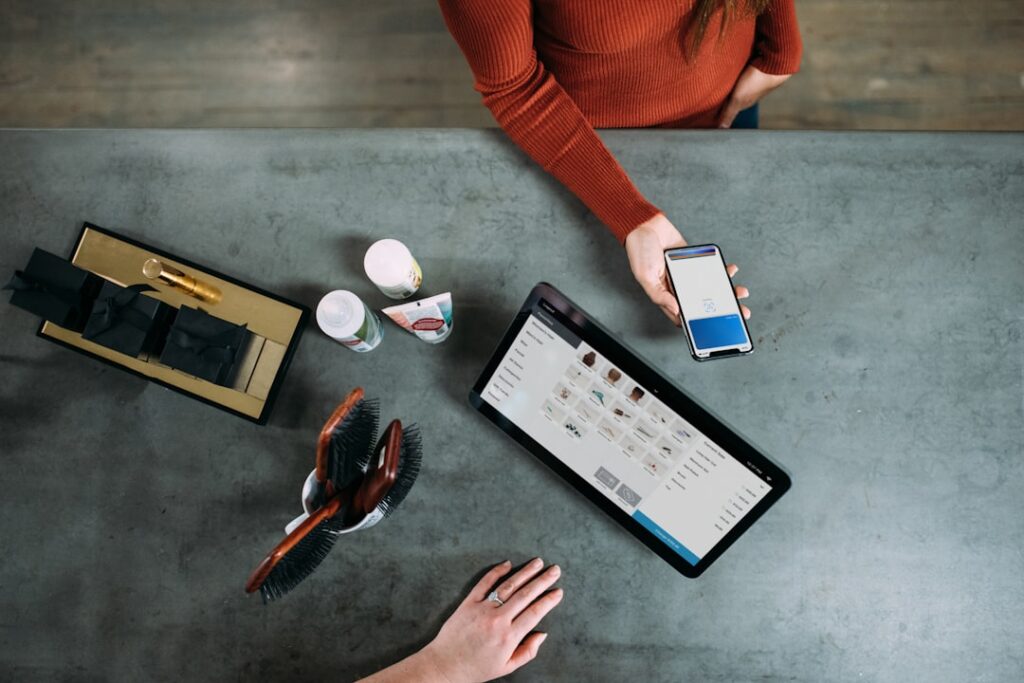
What Is a Point-of-Sale System?
A point-of-sale (POS) system is the combination of hardware and software that allows businesses to complete sales transactions and manage payments. In a typical shop or restaurant, a POS system includes devices like a terminal, cash drawer, receipt printer, and often a card reader for credit and debit payments.
Residents in Manchester, NH may encounter POS systems everywhere from small cafes to outdoor farmer’s markets. These systems have evolved beyond simple cash registers to help businesses accept digital payments, track inventory, and even handle local sales tax requirements automatically.
How Do POS Systems Work?
At its core, a POS system records each sale at the moment a customer makes a purchase. Here’s how the process usually works for both the shopper and the staff:
1. The item is scanned or entered into the system.
2. The total, including any local sales tax, is calculated.
3. Payment is accepted—either by cash, card, or a mobile wallet app.
4. The POS system records the sale and prints or emails a receipt.
Many systems in the Manchester area allow for fast contactless payments, which can be helpful during busy times or in cold weather when you’d rather not handle cash.
What Are the Main Parts of a POS Setup?
POS setups come in many forms depending on the size and needs of the business. Most systems have a few key components:
- Register or terminal: A touchscreen or keyboard connected to POS software, often seen on counters in local shops.
- Card reader: Essential for accepting chip cards or tap-to-pay transactions, which have become extremely common in the community.
- Receipt printer: Provides customers with printed proof of their purchase.
- Cash drawer: Used when cash remains a preferred method, especially with some area vendors.
- Barcode scanner: Speeds up checkout for businesses selling multiple items.
Some newer POS systems use tablets or smartphones as registers, making them portable for pop-up events or delivery services that operate in various Manchester neighborhoods.
What Payment Types Can POS Systems Handle?
Modern POS systems are designed to accept a wide range of payment options, which is important for both visitors and residents who may rely on newer technologies or traditional methods. Most systems accept:
- Debit and credit cards (often including chip and contactless cards)
- Cash
- Mobile payment apps (such as Apple Pay or Google Pay)
- Gift cards, if the business offers them
Local stores and services are increasingly supporting digital wallets, which is convenient during cold New Hampshire winters when gloves make fumbling for a wallet difficult. However, cash remains common at street fairs, craft markets, or smaller shops in the city.
Are POS Systems Secure for Residents?
Security is a frequent concern for residents making electronic payments. The good news is that most reputable POS systems use encryption and tokenization to protect card information from being intercepted during the transaction. Chip card and contactless (tap) payments add extra security layers, reducing the risk associated with magnetic swipe cards.
Data breaches in retail do make headlines, but regularly updated POS systems and staff training can minimize risks for local businesses and customers alike. Smart shoppers should still check receipts carefully and keep an eye on their bank statements.
What Does the POS System Track Besides Sales?
Beyond processing payments, POS systems help area businesses manage several aspects of their daily operations:
- Inventory: Tracking what’s in stock helps avoid disappointing customers during busy seasons, especially for seasonal goods popular in Manchester markets.
- Employee hours: Many systems let owners track staffing and shift scheduling, easing payroll calculations.
- Sales analytics: Reports make it easier for businesses to understand peak shopping times, popular items, or trends that may reflect local events or weather patterns.
- Tax management: With changing state and local sales taxes, POS systems can automatically apply the right rates, reducing the risk of mistakes during busy periods.
Can Residents Use POS Features at Self-Checkout or Kiosks?
While most people interact with POS systems via staffed counters, self-checkout kiosks and portable payment devices are increasingly common in the city’s groceries and event venues. At self-checkout, the system walks residents through scanning, payment, and bagging—often with prompts for loyalty programs or digital receipts.

Portable POS devices, sometimes found at outdoor events or food trucks, let sellers move freely through crowds or even during door-to-door transactions in suburban neighborhoods.
What Should Shoppers Know About Receipts and Payment Records?
Receipts are more than just proof of purchase—they’re also your record if returns, exchanges, or warranty claims become necessary. Most POS systems offer the option for email, texted, or printed receipts. Saving these, especially for major purchases or when using a local rewards program, can make post-sale issues easier to resolve.
Also, with more shops adopting digital receipts, it’s smart to double check which email or number a receipt will be sent to, especially if using shared or family contact information.
Are There Accessibility or Usability Features to Consider?
Manchester residents with visual, mobility, or other accessibility needs will find that many modern POS systems are designed with usability in mind:
- Large, high-contrast touch screens can assist those with low vision.
- Tap-to-pay options can help individuals who have trouble using smaller card slots.
- Multilingual prompts, where available, support the city’s increasingly diverse communities.
Cashiers are also often happy to help explain the process, especially for older adults or those less familiar with card payments.
Common Myths About POS Systems
Some residents may have questions or concerns about how POS systems work, or believe common myths:
- “Cash is the only secure payment option.”
Most POS transactions are encrypted and regulated, offering significant security benefits.
- “Digital receipts aren’t as valid as paper.”
Electronic receipts are legitimate proof of purchase for returns, taxes, or warranties.
- “You always need a card to use a POS system.”
Many systems now take phones, smart watches, or even QR codes for quick payments.
Understanding how these systems operate can help area households feel confident and protected during their shopping and dining experiences.