

 See My Latest Article on HelloNation
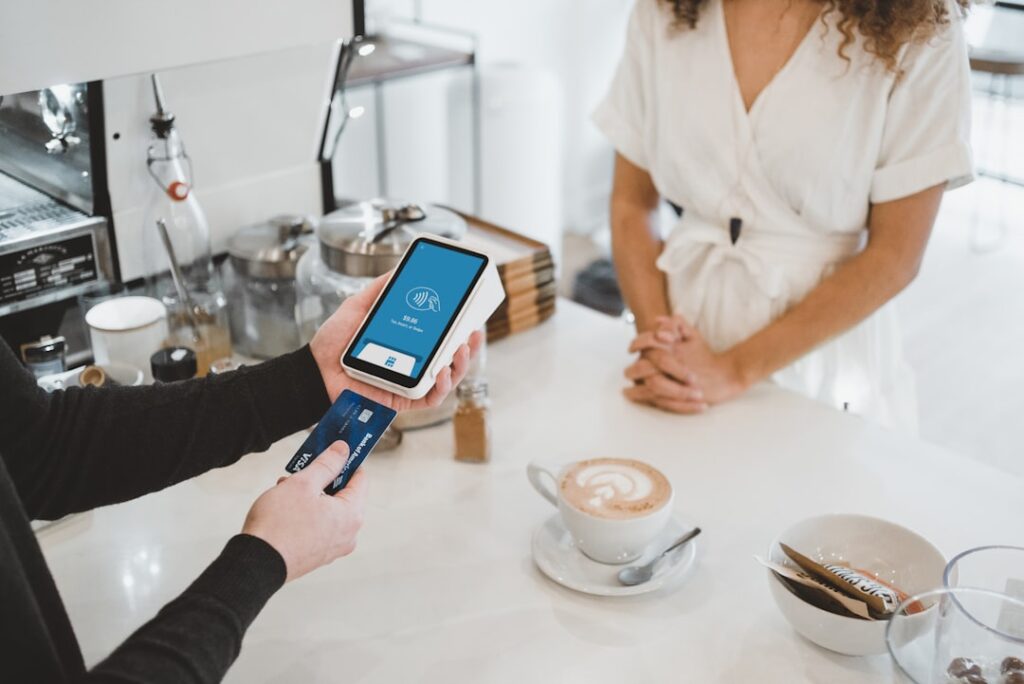
What Happens When a Card Is Swiped or Tapped?
Whenever someone uses a credit card for a payment—whether in a grocery store, coffee shop, or at a seasonal fair—the transaction begins with the card being swiped, inserted, or tapped. This action initiates a quick yet multi-step process that moves information securely from the payment terminal to the banks involved. Residents often notice the transaction appears nearly instant, but several background steps ensure money moves correctly and safely.
A payment terminal first reads the card’s information through its magnetic stripe, chip, or contactless chip. The terminal transmits this data securely to the payment processor over the internet or a phone line. For households or small businesses using countertop terminals or mobile readers, the process is identical—only the hardware varies.
Who’s Involved in a Credit Card Transaction?
While it may seem like only two parties are involved (the shopper and the business), the reality is several organizations participate, each playing a distinct role:
- Cardholder: The individual making a purchase with their credit or debit card.
- Merchant: The business or individual accepting the payment.
- Payment Processor: The company or system handling the communication between the merchant, card networks, and banks.
- Card Network: Brands such as Visa or MasterCard, responsible for routing transaction information and setting operational rules.
- Issuing Bank: The bank that provided the card to the cardholder.
- Acquiring Bank: The merchant’s bank, which deposits the approved funds into the merchant’s account.
Understanding each part can help residents see why some transactions are occasionally declined, delayed, or flagged for review, especially if a card is new, damaged, or used differently than normal.
How Does the Money Move Behind the Scenes?
After swiping, the main steps that follow are authorization, clearing, and settlement:
1. Authorization:
The processor sends a request to the cardholder’s bank to confirm:
- The card is valid and not reported lost or stolen.
- Sufficient credit or funds are available.
- The purchase matches the card’s profile for legitimate use.
The bank returns an approval or decline, usually in seconds. If approved, the buyer can complete their purchase.
2. Clearing:
Throughout the day, local merchants' terminals bundle completed transactions and send them to their bank (usually overnight).
3. Settlement:
The acquiring bank works with the card network to collect the funds from the cardholder’s issuing bank and deposit them into the merchant’s account. Processing fees—for the processor, card network, and banks—are deducted during this step, explaining why merchants receive slightly less than the purchase amount.
These steps apply whether people pay in small corner shops or at larger retailers in the area.
What Makes Processing Fees Vary?
Processing fees are commonly misunderstood as a flat rate, but several factors affect them:
- Card Type: Rewards cards, business cards, and premium cards usually carry higher fees for merchants.
- Payment Method: In-person transactions are generally less expensive than online payments, due to lower fraud risk.
- Merchant Category: Some sectors (e.g., lodgings, groceries) may be charged different rates because of industry risk profiles or regulations.
- Transaction Size: Fees might include a percentage and a fixed amount per transaction, altering the final cost depending on the purchase amount.
Residents curious about why some places in Manchester offer discounts for cash, or require a minimum purchase for cards, are often seeing responses to these underlying cost factors.
Are Transactions Secure?
Security is fundamental to all electronic payments, bringing peace of mind to both shoppers and merchants in the area. Credit card processing uses encryption and tokenization to protect sensitive information as it travels between terminals, processors, and banks.

- EMV Chip Cards: Accepted widely in Manchester, these generate a unique code for each transaction, reducing counterfeit risk.
- PCI Compliance: Merchants must follow strict security standards that help safeguard both business and customer data.
- Fraud Detection: Banks and networks use sophisticated monitoring to spot and stop suspicious activity—sometimes causing brief transaction holds if unusual spending patterns appear.
Residents may still encounter isolated issues with unauthorized charges, but protections offered by card providers—such as zero-liability policies and prompt dispute mechanisms—help limit financial impacts.
How Long Does It Take for Funds to Settle?
Though approvals are instantaneous, the full funds transfer can take one to three business days before a merchant actually receives the money. Weekends and bank holidays may extend this period. For local seasonal events or small businesses operating with tight cash flow, awareness of this timing is important for budgeting and daily operations.
Common Misconceptions About Card Payments
Several misunderstandings often arise:
- Money Moves Instantly: Funds don’t immediately leave or enter bank accounts; processing always involves overnight steps.
- All Fees Are the Same: Businesses may pay more or less depending on what card or system is used.
- Declines Always Signal Insufficient Funds: Cards may be declined for fraud checks, technical issues, or expired cards.
- Processing Is Less Secure Than Cash: While data breaches occasionally make headlines, robust safeguards make credit card payments—with appropriate precautions—remarkably secure.
Practical Examples for Residents
- A local farmer’s market stall using a mobile card reader will follow the same multi-step pathway as a retail store on a busy street.
- Residents traveling to another region who have their payment declined may be experiencing a fraud-protection trigger from their home bank, not necessarily a lack of funds.
- Area charities or schools accepting card payments for fundraising events will need to account for processing timelines and fees when budgeting or planning.
Every card payment in the area bridges several organizations, technology systems, and security layers to ensure trust and efficiency in daily commerce. Clear understanding of this process can help residents make informed choices, resolve issues faster, and confidently navigate electronic payments in the community.