

 See My Latest Article on HelloNation
What Is Payment Processing and Why Does It Matter in Manchester, NH?
Payment processing refers to the sequence of steps involved whenever money is moved digitally between customers and merchants—commonly during purchases. In an area like Manchester, where both independent shops and online marketplaces serve the community, understanding these terms helps residents navigate payments confidently. Whether paying for home heating oil in winter or shopping at a local farmers market, knowing the language of payment systems leads to fewer surprises on statements and stronger budget management.
Frequently Asked Payment Processing Terms Explained
What Is a Payment Processor?
A payment processor is a company or technology platform that manages transactions between buyers and sellers. Every time you tap a debit card at a hardware store or enter credit card details online, a payment processor makes sure your money gets where it’s supposed to go securely.
- Think of the payment processor as the electronic "middleperson," making sure funds move quickly, securely, and accurately.
What Does Payment Gateway Mean?
A payment gateway is the digital tool that transfers your payment information from the checkout (online or in-person) to the broader network for processing.
- In online shopping, it acts like a virtual cash register, encrypting sensitive information to keep your data safe.
- For in-person payments, the card reader or point-of-sale terminal works as the gateway.
A common misconception is that “gateway” and “processor” are the same thing, but gateways focus mainly on secure data transfer, not the final movement of money.
What Are Merchant Accounts?
A merchant account is a special-purpose bank account that temporarily holds incoming payments from customers before the funds are moved to a business’s main bank account.
- The merchant account is essential for business owners in the city operating winter craft markets, home services, or even pop-up stalls.
- For personal banking, these accounts are not needed, but they are fundamental for anyone running a business that accepts card payments.
What Is PCI Compliance and Why Should Residents Care?
PCI compliance is a set of security standards required for any organization that stores, processes, or transmits credit card information.
- These rules help prevent fraud or data breaches—important for anyone entering card details online for local bill payments or in small retail shops.
- Residents shopping or paying bills online can check for indicators like “https” in web addresses or notices about PCI compliance for peace of mind.
What Does EMV Mean on Credit Card Terminals?
EMV stands for Europay, MasterCard, and Visa, and refers to the technology behind chip-enabled credit and debit cards.
- EMV chips add extra layers of security versus the old magnetic stripe cards, which is particularly valuable in busy city environments with greater foot traffic.
- Today, nearly every store in Manchester accepts EMV cards—the terminals prompt you to insert, not swipe, your card.
What Are Interchange Fees and Why Do They Affect Local Prices?
Interchange fees are small charges paid by merchants’ banks to customers’ banks each time a card payment occurs.
- Though residents typically do not see interchange fees itemized on receipts, these costs may influence pricing, especially in small shops or for utility payments.
- The fees vary based on card type (credit, debit, rewards) and method of acceptance (online, in-person).
How Are Contactless Payments Different?
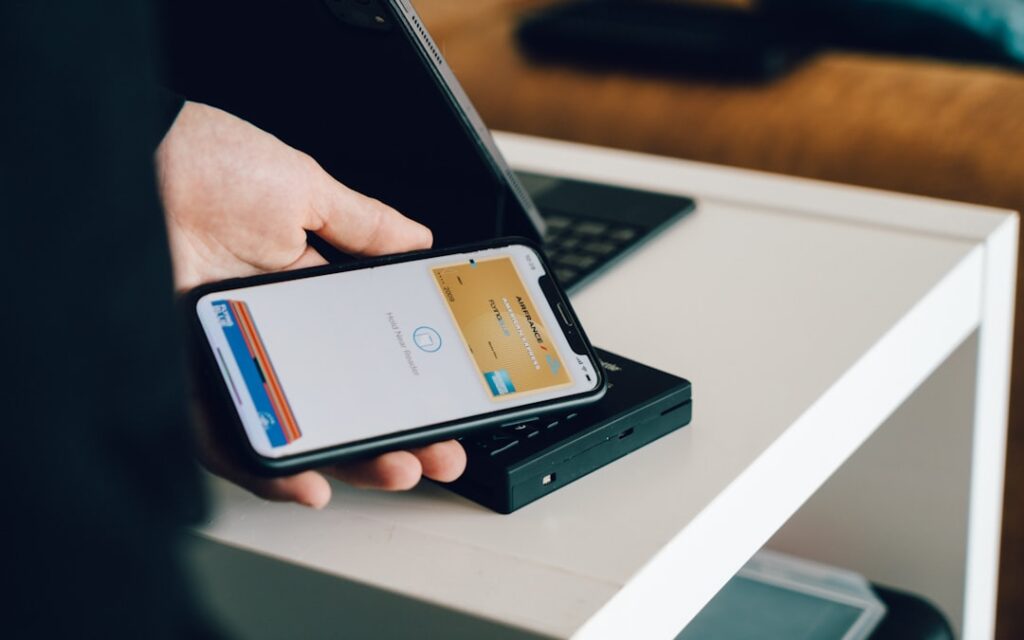
Contactless payments allow users to make purchases via cards or smartphones by holding them near a compatible reader—no PIN or signature needed for smaller amounts.
- Residents often rely on this method during busy periods, such as city events or winter markets, for quick, hygienic transactions.
- These are as secure as chip-based transactions due to encryption and one-time codes generated during each use.

What Should Manchester Residents Know About Payment Disputes and Chargebacks?
If someone in the city notices a suspicious charge, they can request a chargeback—essentially a formal dispute with a card issuer to reverse a transaction.
- Common triggers include fraud, undelivered goods, or billing errors.
- Residents are encouraged to promptly review monthly statements, especially during busier shopping months, to spot unusual transactions early.
- Not all disputes will qualify for chargebacks, especially if there is evidence of use or delivery.
Are There Special Considerations for Seasonal or Outdoor Payments?
Seasonal activities and outdoor events—like festivals or yard sales—often use mobile card readers or smartphone payment solutions.
- These systems rely on Wi-Fi or mobile data; transaction success can be affected by signal strength (something to keep in mind in certain corners of city parks).
- Temporary vendors may face higher per-transaction costs due to lower volume, potentially translating to higher prices at pop-up sites.
How Do Refunds Work with Card Payments?
Refunds processed on card transactions often take a few business days to appear back in the cardholder’s account.
- The timeline can vary, but most local businesses will issue a refund back to the original card rather than as cash, especially for purchases above a certain dollar amount.
- Waiting times may be longer around holidays or weather-related disruptions.
What About Digital Wallets and Apps?
Digital wallets, such as those on smartphones, store encrypted card information and make payments by tapping the device at compatible terminals or by linking to websites.
- They add layers of security through biometric locks or passcodes.
- Adoption in the city is increasing, making it easier for area households to pay utility bills, split dinner costs, or buy event tickets without reaching for a physical card.
Final Thoughts: Getting Comfortable with Payment Conversations
Becoming familiar with payment processing terms helps reduce misunderstandings and can prevent frustration during daily purchases. As digital forms of payment become more common in all parts of community life, continuing to learn about these processes empowers every resident to shop, pay bills, and manage finances with greater confidence.