

 See My Latest Article on HelloNation
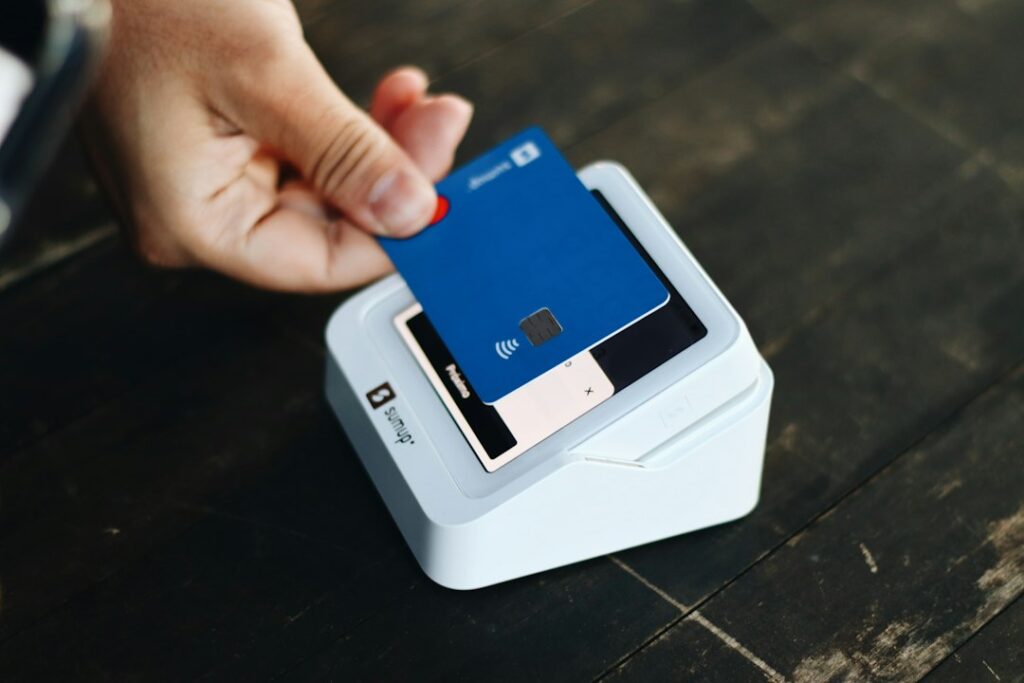
What does “interchange” mean?
Interchange is a fee built into most card payments. It is generally paid by the merchant’s acquiring bank to the cardholder’s issuing bank, with the payment network establishing the applicable rate and rules. The merchant usually experiences interchange indirectly as part of the overall processing cost rather than paying the card issuer directly. ([usa.visa.com](https://usa.visa.com/support/small-business/regulations-fees.html?utm_source=openai))
A card transaction typically involves several parties:
- The customer, who uses a debit or credit card
- The merchant, which accepts the payment
- The issuing bank, which provided the card
- The acquiring bank or processor, which handles acceptance for the merchant
- The card network, which routes the transaction and establishes interchange categories
For a $50 purchase, the business may receive slightly less than $50 after processing costs. Interchange is one part of that deduction, along with network fees and the processor’s or acquiring bank’s markup.
Why do interchange rates vary?
Interchange is not one universal percentage. The rate can depend on the card, the transaction, and the type of business accepting payment. Card networks publish detailed schedules with qualification requirements.
Factors that may affect the category include:
- Debit, credit, prepaid, commercial, or rewards card type
- Whether the card is physically inserted, tapped, or manually keyed
- Whether the customer is present
- The merchant’s business category
- How quickly the transaction is settled
- Whether required transaction data is submitted
- The merchant’s sales volume and program eligibility
A card-present transaction at a counter may qualify differently from a manually entered payment taken over the phone. An online order may also fall into a different category because the cardholder cannot be verified in the same way as at a physical checkout.
Mastercard explains that interchange qualifications can depend on merchant category, authorization-to-clearing timing, transaction data, card-read method, and sales volume. Visa similarly publishes different categories based on card product and merchant circumstances. ([mastercard.com](https://www.mastercard.com/us/en/business/support/merchant-interchange-rates.html?utm_source=openai))
How does interchange affect a business?
Interchange affects the amount retained from each card sale and can influence pricing, cash flow, and payment acceptance decisions.
Consider a business that processes $40,000 in card sales during a month. A small difference in the average cost per transaction can become meaningful over a full year. The effect may be more noticeable for businesses with:
- Low average tickets, where fixed per-transaction charges take a larger share
- High card usage, such as retail, food service, or recurring billing
- Many manually keyed transactions
- Significant online or phone-order volume
- Higher rates of refunds, disputes, or chargebacks
- Seasonal swings in sales
Local businesses may also see patterns tied to the calendar. A shop serving area households may process more card payments during winter months when customers prefer shorter visits and less time handling cash. Businesses with seasonal activity may need to examine whether transaction costs change during busier periods rather than relying only on an annual average.
Interchange is an expense, but it is not necessarily the only or largest part of a merchant’s total processing cost. A statement may combine interchange, network assessments, processor markup, monthly fees, equipment charges, security fees, and other items.
Is interchange the same as the processor’s fee?
No. Interchange and the total processing fee are related but different.
Interchange is generally established by the card network and paid through the payment system to the issuing bank. The processor or acquiring bank may add its own markup for authorization, settlement, technology, support, risk management, and other services. Network fees may also be included.
That means a business should not assume that a quoted processing rate represents interchange alone. Visa describes the merchant’s total charge as a merchant discount that may include interchange-related costs and other processing services. Mastercard likewise identifies interchange as one component of the merchant discount rate paid by merchants to acquirers. ([usa.visa.com](https://usa.visa.com/support/small-business/regulations-fees.html?utm_source=openai))
A statement that lists only one blended percentage can be simple to read, but it may hide differences between card types and transaction methods. A more detailed statement may show the underlying categories and additional charges separately.

Are debit and credit interchange treated the same way?
No. Debit and credit transactions follow different rules and rate structures.
In the United States, certain debit card interchange fees are subject to Regulation II. For covered issuers, the Federal Reserve’s standard has been based on a fixed amount plus a percentage of the transaction value, with a possible additional fraud-prevention adjustment. Issuers below the statutory asset threshold and certain other transactions may be exempt from the fee standards. ([federalreserve.gov](https://www.federalreserve.gov/paymentsystems/regii-about.htm?utm_source=openai))
Credit card interchange is not governed by the same federal cap. Credit card rates can vary by card product, merchant category, transaction environment, and qualification requirements.
This distinction helps explain why two payments for the same dollar amount can generate different costs. A regulated debit transaction, a rewards credit card, and a commercial card may each be assigned different interchange categories.
What can a business do to understand its costs?
The most useful starting point is a transaction-level review rather than focusing only on the headline rate. A business can examine:
- The average cost per transaction
- The percentage of card-present, online, and keyed transactions
- The share of debit, credit, rewards, and commercial cards
- Any downgraded or nonqualified transactions
- Monthly and annual statement fees
- Refund and chargeback expenses
- Whether settlement is completed within required time frames
For example, a business may discover that its advertised processing percentage looks reasonable, while manually entered transactions and fixed per-item charges are creating most of the additional expense.
Security and data accuracy matter as well. Using a proper card reader, entering complete transaction details, settling batches on schedule, and following card-network requirements can help a transaction qualify for an appropriate category. These practices do not guarantee the lowest rate, but incomplete data or unusual processing methods can lead to a more expensive classification.
Does interchange determine whether a business may add a surcharge?
No. Interchange is only one factor in that decision. Surcharging can involve card-network rules, disclosure requirements, state law, payment type distinctions, and limits on the amount passed to customers.
A business considering a surcharge must distinguish between credit cards and debit cards because debit and prepaid transactions may be treated differently under applicable rules. Visa also states that merchants must notify their acquiring institution before beginning a surcharge program. ([usa.visa.com](https://usa.visa.com/support/small-business/regulations-fees.html?utm_source=openai))
A surcharge should never appear unexpectedly at checkout. Clear signage and an accurate receipt are part of transparent pricing, but the specific requirements depend on the transaction and the rules that apply.
What is the main misconception about interchange?
The most common misconception is that interchange is a single fee a processor independently chooses for every transaction. In reality, networks establish many interchange categories, issuing banks receive the interchange portion, and processors or acquirers add other costs according to their agreements.
Another misconception is that a lower advertised percentage always means a lower total cost. A business with many small transactions may be more affected by a fixed per-transaction fee, while a business with larger tickets may pay more attention to the percentage component.
For residents operating businesses in Manchester, NH, the practical question is not simply “What is the interchange rate?” It is “Which transaction types are occurring, how are they being classified, and what is the complete cost of accepting them?” Reviewing those details provides a clearer picture of how card payments affect revenue.