

 See My Latest Article on HelloNation
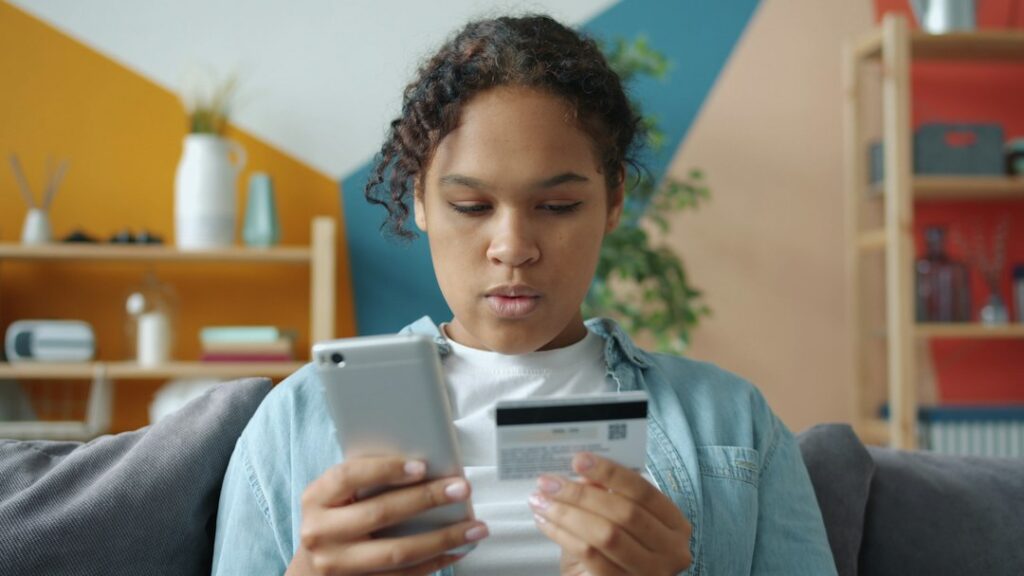
Payment fraud can affect anyone who uses a debit card, credit card, bank account, payment app, online bill-pay system, or check. The safest approach is layered protection: secure accounts, verify unexpected requests, monitor transactions, and respond quickly when something looks wrong.
For residents of Manchester, NH, everyday routines can create familiar opportunities for fraud. Online purchases, recurring household bills, seasonal travel, rental payments, school expenses, and peer-to-peer transfers all involve financial information that criminals may try to intercept or manipulate.
What are the most common forms of payment fraud?
The most common forms include unauthorized card transactions, account takeovers, fake payment requests, check fraud, and scams that pressure people into sending money.
Examples include:
- A debit card number being used after a data breach
- A fraudulent email asking for payment through an unfamiliar link
- A text message claiming that an account must be verified immediately
- A fake invoice with altered bank or payment details
- A payment app transfer sent to the wrong person or a fraudulent account
- A counterfeit check followed by a request to return part of the money
- A stolen password being used to enter an online banking or shopping account
Fraud does not always involve sophisticated technology. Sometimes the criminal simply relies on urgency, confusion, or a victim’s assumption that a familiar-looking message is legitimate.
How can households secure payment accounts?
Use a separate, unique password for every financial account. Reusing the same password across email, banking, shopping, and payment applications creates a chain reaction if one account is compromised.
Turn on multifactor authentication wherever it is available. This usually requires a second verification step, such as a temporary code or an approval from a trusted device. Multifactor authentication is especially valuable for email accounts because access to email may allow someone to reset other passwords.
Other basic safeguards include:
- Keep phones, computers, browsers, and financial applications updated.
- Use a screen lock and avoid sharing device passcodes.
- Do not store payment information in an account that is rarely used.
- Review account recovery details and remove outdated phone numbers or email addresses.
- Avoid conducting financial transactions over unsecured public Wi-Fi.
- Sign out of financial accounts on shared or borrowed devices.
An email account deserves special attention. If a criminal gains access to it, they may be able to intercept payment confirmations, reset passwords, or impersonate the account holder.
How should people evaluate unexpected payment messages?
Pause before clicking, paying, or replying. Fraudulent messages often create pressure by claiming that a payment is overdue, an account will be closed, or a refund is waiting.
Check the message independently rather than using its links or phone numbers. Open the official application manually, type the known website address into the browser, or use a statement to find a verified contact method.
Warning signs include:
- Requests for gift cards, cryptocurrency, wire transfers, or unusual payment methods
- Instructions to keep the transaction secret
- A demand for immediate action
- A sender address that looks slightly different from the expected address
- Payment details that changed without prior confirmation
- Unexpected attachments or links
- A request for passwords, full account numbers, or one-time security codes
A legitimate organization may contact someone about a payment, but an unexpected message should not be treated as proof of identity.
What should be verified before sending a large payment?
Large or unusual payments should be confirmed through a second communication channel. This is particularly important for rent, home repairs, tuition, real estate-related transactions, medical bills, or other high-value obligations.
For example, if an email says that payment instructions have changed, call a previously verified number rather than replying to the message. Do not rely on contact information included only in the new request.
Before sending money, confirm:
- The recipient’s name and account details
- The reason for the payment
- The amount and due date
- Whether the payment method is appropriate
- Whether any instructions recently changed
- Whether another person involved in the transaction can independently verify the request
Payment fraud can occur even when the sender’s email account appears familiar. A compromised account may be used to send convincing instructions from a real conversation.
How can people reduce card and account theft?
Use transaction alerts for purchases, withdrawals, transfers, and changes to account information. Alerts make it easier to identify unauthorized activity while it is still recent.
Review statements regularly instead of waiting for the end of the billing cycle. Small unfamiliar charges may be test transactions before larger charges appear. A transaction does not need to be large to deserve attention.

For in-person purchases, keep cards in sight when possible and avoid leaving them unattended. At unattended payment terminals, inspect the machine for loose parts or unusual additions, although visual inspection cannot detect every form of tampering.
For online purchases:
- Use trusted websites and check that the payment page is secure.
- Avoid saving card information on unfamiliar websites.
- Be cautious with unusually low prices or urgent limited-time offers.
- Use a credit account for online purchases when appropriate, rather than exposing a primary checking account.
- Keep receipts and confirmation emails until the charge appears correctly.
Households in the area may also make seasonal purchases related to winter weather, heating, travel, and home maintenance. Scammers sometimes use these needs to create fake invoices or urgent service-related payment demands.
Are checks and payment apps still vulnerable?
Yes. Checks can be altered, copied, or stolen from mailboxes. Payment applications can also be misdirected through impersonation, incorrect usernames, or fake customer-support messages.
For checks, avoid leaving completed checks in an unsecured outdoor mailbox. Store unused checks safely, monitor cleared checks when available, and report missing checks promptly.
For payment apps:
- Confirm the recipient before approving the transfer.
- Treat unexpected payment requests as suspicious, even if they appear to come from someone familiar.
- Never share a verification code with someone who contacted you unexpectedly.
- Be wary of messages claiming that a payment was sent by mistake.
- Remember that some transfers may be difficult to reverse once completed.
A familiar name or profile picture does not guarantee that the person behind the account is genuine.
What should someone do after noticing suspected fraud?
Act quickly, but avoid making additional payments to “fix” the problem. Contact the financial institution through a verified phone number or official application, explain what happened, and ask whether the account, card, transfer, or payment can be restricted.
Change the affected password and any other password that was reused. Review account access, remove unfamiliar devices, and check whether contact information or security settings were altered.
Keep records of:
- Dates and times
- Transaction amounts
- Names, phone numbers, email addresses, or account details involved
- Copies of messages and payment confirmations
- Actions already taken with the financial institution
If personal information may have been exposed, monitor credit reports and consider placing appropriate protective alerts or freezes. Suspected identity theft or significant financial loss may also need to be reported to the relevant financial institution and government authorities.
Which habits provide the most protection?
The strongest routine is simple: verify unusual requests, use unique passwords, enable multifactor authentication, activate transaction alerts, and review accounts consistently.
People are often more vulnerable when distracted, rushed, traveling, dealing with a household emergency, or managing several bills at once. Setting aside a regular time to review transactions can help identify problems before they become larger losses.
Payment security is not a single setting. It is a series of small checks that make unauthorized access, impersonation, and payment manipulation more difficult.